In the optical sound process, there is a sound track between the picture track and the perforation holes of the film reel. The process, which was the first to combine picture and sound on one reel, was first used in the early 1920s, and Dolby in particular has since developed the technology further. Compared to magnetic sound, optical sound is more economical, more robust and simpler. Depending on the production process, the soundtrack can differ either in intensity (intensity process) or the width (amplitude process) of the blackening of the track. The light falling through the sound track from a sound lamp is then converted into voltage in a photocell, amplified and output via loudspeakers.
The photo artists Christina Lag-Schröckenstein and Julius Werner Chromecek have a special connection to sound, in the broadest sense, in their artistic photography, in addition to the training they both completed at Kubelka: Christina studied classical guitar and jazz guitar at the conservatory in Vienna, Julius has been playing bass clarinet and self-built electronic instruments in various formations for many years as a self-taught musician.
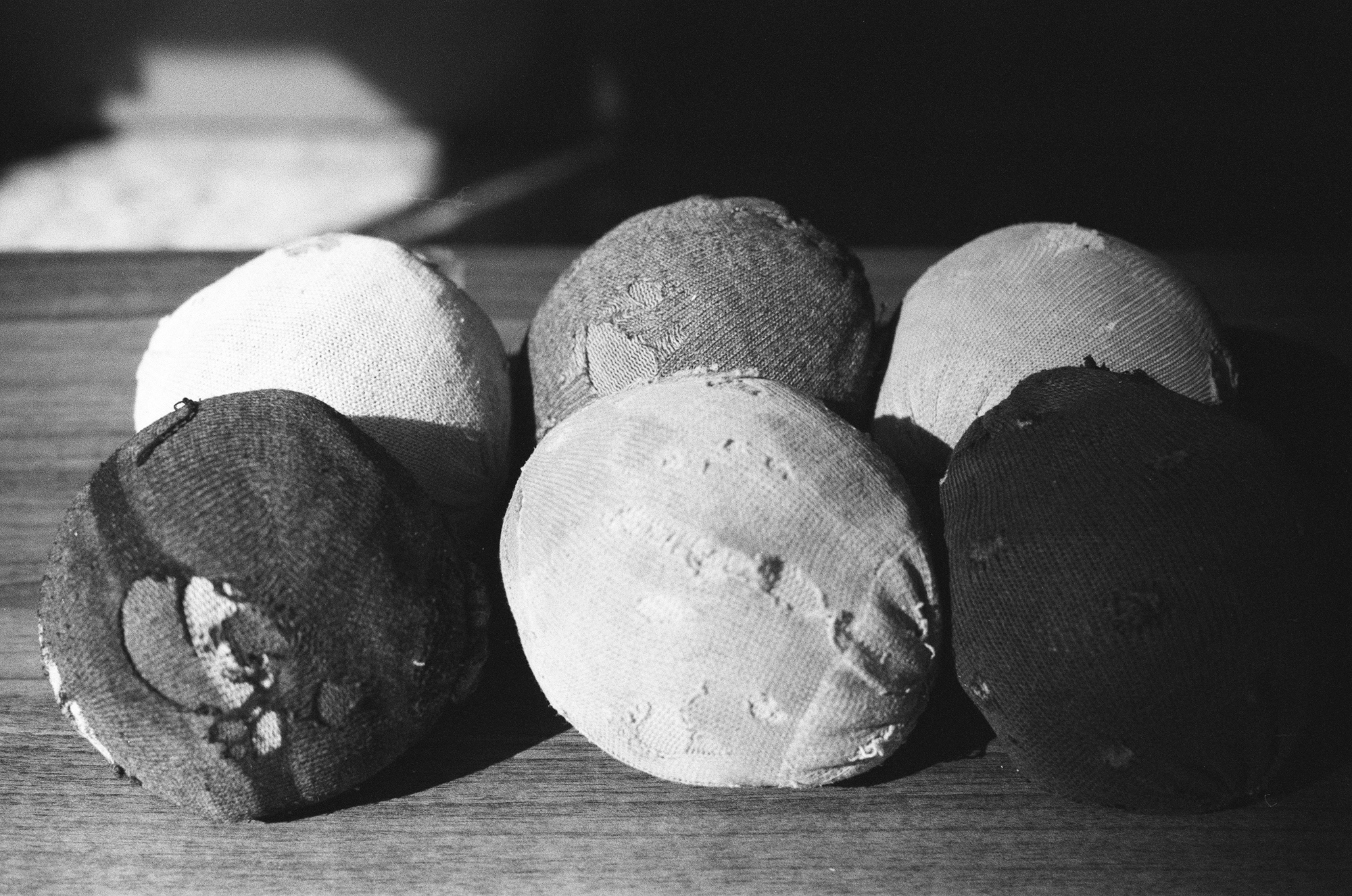
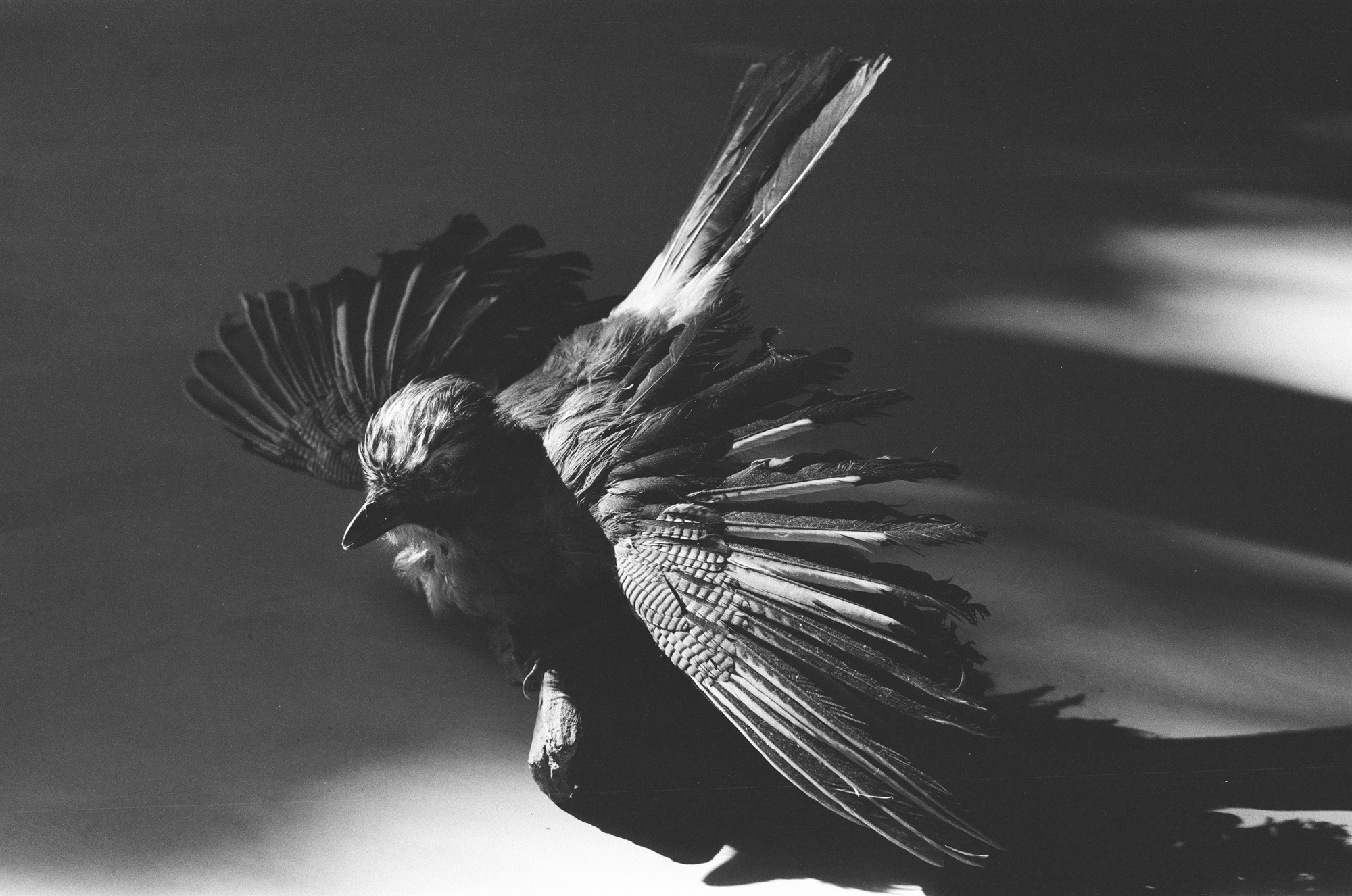
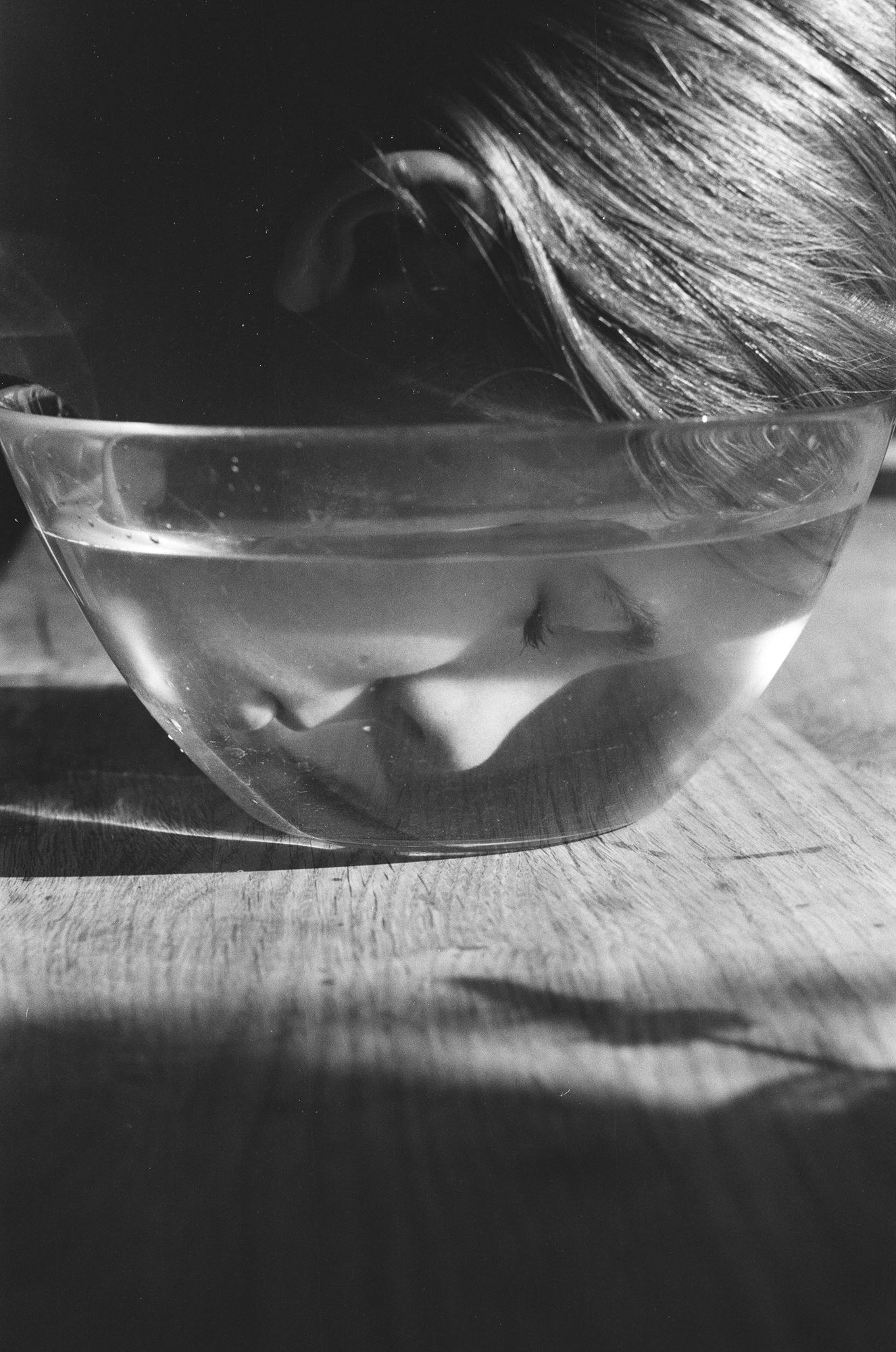
Based on the technical invention of light sound, we have developed a process in which sounds that we have recorded field-recorded are translated into images and photographic associations are found. The photos are taken with a 35mm analog camera and developed by hand.
The Upper Austrian writer Claudia Bitter creates the text from the sounds and images.
In this way, sound becomes text and image, and the two are juxtaposed.
In the exhibition of the results in Vienna, viewers will have the opportunity to listen to/read the poem and look at the images – which image goes with which part of the poem is up to the viewer’s interpretation.
Beim Lichttonverfahren befindet sich zwischen der Bildspur und den Perforationslöchern der Filmrolle eine Tonspur. Das Verfahren, bei dem zum ersten Mal Bild und Ton auf einer Rolle vereint wurden, setzte man Anfang der 1920er Jahre zum ersten Mal ein, seitdem hat insbesondere Dolby die Technik weiterentwickelt. Verglichen mit Magnetton ist Lichtton wirtschaftlicher, robuster und einfacher. Die Tonspur kann sich je nach Herstellungsverfahren entweder in Intensität (Intensitätsverfahren) oder der Breite (Amplitudenverfahren) der Schwärzung der Spur unterscheiden. Das von einer Tonlampe durch die Tonspur hindurch fallende Licht wird in einer Fotozelle dann in Spannung gewandelt, verstärkt und über Lautsprecher ausgegeben.
Die Foto-Künstler:innen Christina Lag-Schröckenstein und Julius Werner Chromecek verbindet, neben der von beiden bei Kubelka absolvierten Ausbildung, in deren künstlerischer Fotografie ein besonderer Bezug zu Ton, im weitesten Sinn: Christina hat klassische Gitarre und Jazz-Gitarre am Konservatorium in Wien studiert, Julius spielt als Autodidakt seit vielen Jahren in unterschiedlichen Formationen Bass-Klarinette und selbst gebaute elektronische Instrumente.
In Anlehnung an die technische Erfindung des Lichttons haben wir ein Verfahren entwickelt, bei dem Sounds, die wir field-recorded aufgenommen haben, in Bilder übersetzt wird, fotografische Assoziationen gefunden werden. Die Fotos werden mit einer Kleinbildkamera analog aufgenommen und aus eigener Hand entwickelt.
Die oberösterreichische Schriftstellerin Claudia Bitter erstellt aus den Sounds und Bildern den Text die Zeit lassen.
So wird aus Sound Text & Bild, beides wird einander gegenübergestellt.